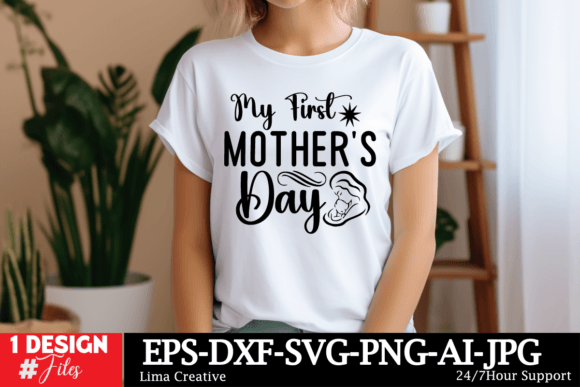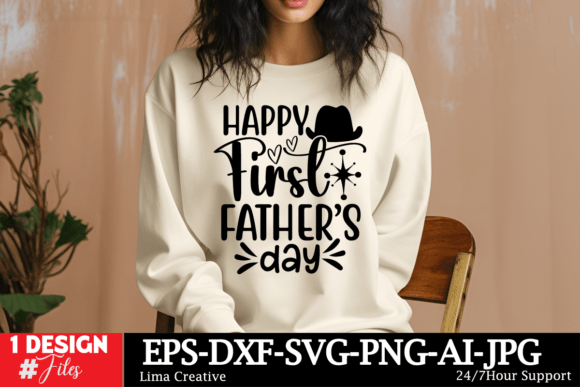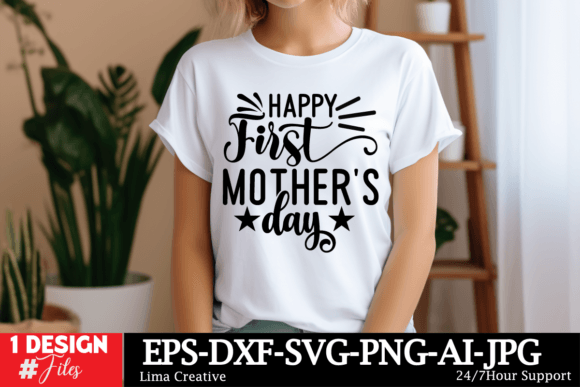
Reviewing the Happy First Mother’s Day SVG Cut File
As a designer who has spent years translating digital vectors into thread, I approach every new asset with a mix of curiosity and caution. We have all been there: downloading a bundle that looks pristine on screen, only to find it becomes a tangled mess of broken stitches and puckered fabric once it hits the hoop. Today, I am taking a close look at the Happy First Mother’s Day SVG Cut File, evaluating it not just as a graphic, but as a viable component for real-world embroidery projects.
This particular file comes packaged in a zip containing six flowing files, part of a broader Mother Quotes SVG Bundle. While the primary marketing angle leans toward cut files for Cricut and Silhouette machines, my interest lies in how these vector shapes translate when we move from vinyl cutting to needlework. For those of us running small shops or managing craft businesses, understanding this distinction is vital for maintaining quality control.
First Impressions and Visual Personality
The immediate mood created by this design is soft, celebratory, and intimate. The typography suggests a hand-lettered aesthetic, which is currently trending in boutique branding. When I examine the curves and terminals of the letters, I see potential for beautiful satin stitch work, provided the digitizing is handled correctly. The theme is specific—targeting new mothers—which gives it high emotional value. This is not just a generic "Mom" shirt; it is a milestone marker.
In terms of layout, the design feels balanced. It does not appear overly dense, which is a good sign for embroidery. Dense designs often lead to fabric distortion, especially on lighter materials. The visual personality here is clean and modern, fitting well within the current trends for minimalist nursery decor and stylish custom apparel. However, because it is an SVG, we must remember that it is a vector graphic. To use it for machine embroidery, one must either digitize it manually or ensure the provider offers a converted embroidery file format like PES or DST. If you are working strictly with the SVG for heat transfer vinyl, the application is straightforward. For thread, the conversion step is where the magic—and the risk—lies.
Real-World Application Scenarios
I recently considered using a similar style for a custom embroidered tote bag order. The client wanted something durable yet elegant. A design like the Happy First Mother’s Day SVG Cut File works exceptionally well on canvas totes. The sturdy fabric supports the stitch density required for legible lettering without excessive stabilizer bulk. Imagine this stitched in a creamy white thread against a natural linen background. The contrast is subtle but sophisticated, appealing to buyers looking for understated luxury rather than loud graphics.
Another strong candidate for this design is sweatshirt embroidery. Hoodies and crewnecks have become staples in personalized gift markets. The texture of fleece or French terry cloth can hide minor stitching imperfections, making it a forgiving medium for hobbyists. However, for a professional finish, I would recommend testing the design on a scrap piece of the exact fabric weight you intend to use. Stretchy fabrics require careful attention to hoop tension and stabilizer choice to prevent the design from warping after washing.
For Etsy sellers, this design fits perfectly into the category of holiday embroidery and baby items. A onesie or a burp cloth featuring this quote makes for a highly giftable item. The emotional connection drives sales, but the execution determines reviews. If the small details of the script blur together due to poor stitch density, the perceived value drops instantly.
Technical Considerations for Embroiderers
When adapting an SVG intended for cutting into an embroidery project, several technical factors come into play. First, consider the hoop size. If the design is large, ensure your machine can accommodate the dimensions without requiring multiple hooping steps, which can lead to alignment issues. For smaller hoop sizes, you may need to scale the design down, but be cautious. Tiny lettering in script fonts can become illegible if the stitch width is too narrow or if the thread color lacks contrast against the fabric.
Thread colors play a crucial role in the final appearance. I always test designs in black and white mockups first to check for clarity. If the design relies on subtle gradients or thin lines, it may not translate well to thread. Satin stitch is ideal for smooth, shiny lettering, but it requires precise digitizing to avoid long jumps that can snag. Fill stitch might be necessary for larger elements, but it adds bulk. Running stitch could be used for delicate outlines, though it may lack the durability needed for items that undergo frequent washing.
Fabric texture is another variable. On textured fabrics like waffle knit or heavy denim, the design needs to be bold enough to stand out. On smooth cottons or silks, finer details can shine, but the risk of puckering increases. Always use the appropriate stabilizer. For stretchy knits, a cut-away stabilizer provides lasting support, while tear-away might suffice for stable woven fabrics like aprons or pillow covers.
Commercial Viability and Brand Consistency
For commercial embroidery and small shop products, consistency is key. Using a design like this across a range of products—tote bags, caps, patches—can help build brand recognition. However, you must verify the licensing terms. The product description states it is a digital download, but it does not explicitly detail commercial rights for embroidered finished goods versus digital resale. As a professional, I advise checking the license carefully before selling finished items. Some licenses allow for physical sales but prohibit the resale of the digital file itself.
From a marketing perspective, this design enhances customer trust when executed well. A clean, professional stitch-out signals quality. It shows that the maker cares about the details. Conversely, a poorly stitched design can damage a brand’s reputation quickly. Use this asset to create printable mockups for your online store, but ensure the actual product matches the preview. Buyers engage more with products that look handmade yet polished.
Final Designer Notes
Before committing to a full production run, take the time to test. Stitch out the design on scrap fabric identical to your final product. Check the thread tension and inspect the back of the hoop for excessive buildup. Compare how it looks on light versus dark fabric backgrounds. If you are creating an embroidered patch, consider using a dense fill stitch and a merrowed edge for durability.
The Happy First Mother’s Day SVG Cut File offers a solid foundation for creative entrepreneurs. It captures a specific, heartfelt moment in a mother’s life. By respecting the technical limitations of embroidery and applying thoughtful design judgment, you can transform this digital asset into a cherished physical keepsake. Whether you are decorating a kitchen towel for a holiday gift or producing a line of custom apparel, let the quality of your stitch work speak for your brand.