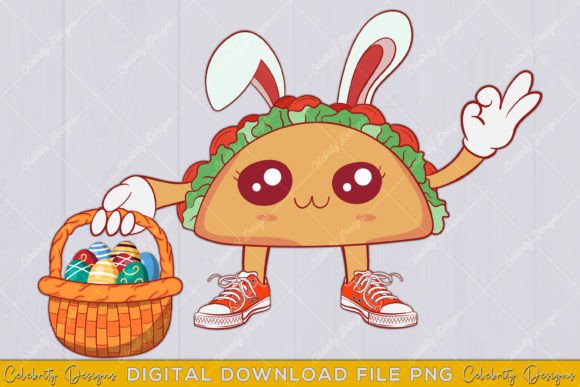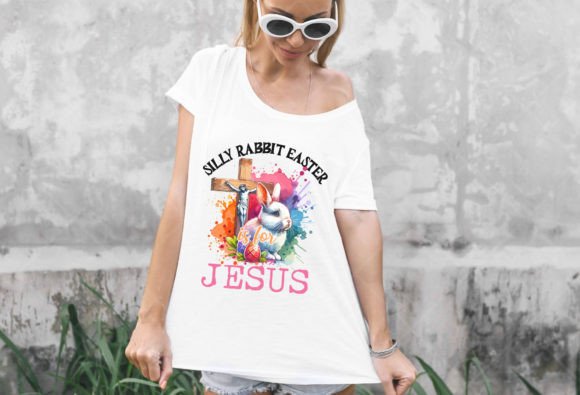
Reviewing the Easter Egg Happy Easter Boy SVG for Stitching
As a designer who spends half my life digitizing and the other half stitching, I have learned that not every cute graphic translates well to thread. When I first pulled up the Easter Egg Happy Easter Svg, Boy Easter file on my screen, my initial reaction was one of cautious optimism. The theme is undeniably seasonal, tapping into the high-demand spring market, but the real question for any serious crafter or Etsy seller is how this digital asset holds up under the needle. This is not just about having a pretty picture; it is about understanding how lines, shapes, and negative space behave when converted into a tangible embroidery project.
First Impressions and Visual Personality
The design carries a playful, youthful energy that immediately suggests its target audience. It is not overly intricate, which is often a blessing in disguise for machine embroidery. Complex illustrations with tiny details can turn into a muddy mess of thread breaks and puckering, especially on smaller items. This particular graphic seems to strike a balance between recognizable character features and simplified forms. For a T-Shirt Designs category item, this simplicity is crucial. It allows the texture of the fabric to breathe while still delivering a clear message.
The mood is lighthearted and festive. When I imagine this stitched out, I do not see it as a formal piece of art but rather as a cheerful accent for everyday wear. The layout appears balanced, avoiding extreme asymmetry that might cause hoop distortion. For those of us selling Graphics or finished goods, this visual clarity is what drives buyer engagement. Customers want to see a design that looks crisp, not one that appears cluttered or confused by the stitching process.
Real-World Application: The Custom Sweatshirt Test
To truly evaluate the Easter Egg Happy Easter Svg, Boy Easter, I mentally placed it on a few common substrates. My primary test case was a custom children’s sweatshirt. This is a staple product for small shop owners during the spring season. On a medium-weight cotton blend, a design like this needs to sit comfortably without feeling like a stiff patch of plastic.
If this file includes a mix of satin stitch borders and fill stitch interiors, it would provide nice dimensionality. However, if it relies heavily on dense fills, I would be concerned about the hand feel. A handmade product should feel premium, and nothing kills perceived value faster than a scratchy, heavy embroidery block on a soft garment. For a personalized gift, comfort is just as important as aesthetics. I would recommend testing this design on scrap fabric first to gauge the stiffness. If the stitch density is too high, adjusting the underlay or reducing the fill percentage in your digitizing software might be necessary before running it on a final client piece.
Versatility Across Product Lines
Beyond apparel, this design has potential in several other niches. Consider a canvas tote bag design. The sturdy weave of canvas can handle heavier stitching, making it an ideal candidate for this type of graphic. It could also work well as an embroidered patch if you plan to cut it out and apply it later. Patches are trending, and they allow you to pre-stitch designs without worrying about hooping difficult garments like caps or thick jackets.
For baby embroidery, caution is key. While the theme is appropriate, ensure the final stitched size is large enough that no small, loose threads pose a choking hazard. Always secure your backings well. On the other hand, for holiday embroidery on kitchen towels or aprons, this design could add a charming seasonal touch that customers love for hosting duties. The key is matching the scale of the design to the item. A large graphic on a small baby onesie will look overwhelming, while a tiny version on a tote bag might lose its detail.
Technical Considerations and Potential Pitfalls
Every designer knows that digital files do not always behave as expected. Since this is a digital embroidery file or vector graphic intended for conversion, there are specific areas where you need to exercise judgment. First, look at the corners and curves. Sharp angles in a SVG can result in thread bunching if not properly digitized with tie-offs or proper needle penetration settings. If you are converting this yourself, pay close attention to how the running stitch outlines connect to the fills.
Fabric choice plays a massive role here. On textured fabrics like terry cloth or fleece, fine details can get lost. If you are stitching this on a dark fabric, you must ensure your thread colors have enough contrast. A light blue egg on a navy shirt might vanish if the lighting is poor. I always recommend creating a black and white mockup to check for value contrast before you even thread the machine. This simple step saves hours of unpicking.
Additionally, consider the hoop size. If the design is wide, you may need a larger hoop, which limits the types of machines you can use. For commercial embroidery shops running multi-needle machines, this is rarely an issue, but for home hobbyists with single-needle units, checking the dimensions against your maximum hoop capacity is essential. Do not assume the file is ready-to-stitch at any size; always verify the aspect ratio.
Enhancing Brand Value and Customer Trust
Using high-quality assets like the Easter Egg Happy Easter Svg, Boy Easter contributes directly to your brand consistency. When customers receive a product where the embroidery is clean, centered, and visually appealing, their trust in your craft business grows. Sloppy stitching or poorly chosen designs can damage your reputation quickly on platforms like Etsy. By selecting designs that are inherently balanced and suitable for embroidery, you reduce the risk of production errors.
This design also offers great potential for printable mockup creation. Before you stitch a single thread, you can place this graphic on digital templates of shirts and bags to gauge market interest. This low-risk approach helps you decide which colorways to stock. Remember, whether you are selling the design assets themselves or the finished product, transparency about the source and quality is vital. If you are using this for commercial purposes, always double-check the licensing terms provided by the creator. Some files allow unlimited commercial use, while others restrict the number of physical items you can sell.
Final Designer Notes
Before you commit to a full production run, take these practical steps. Test the design on similar fabric to your final product. Use the correct stabilizer; a cut-away stabilizer is often safer for stretchy knits to prevent distortion over time. Check your thread tension, as different thread brands behave differently with fill stitches. Finally, inspect the small details. Are there any stray pixels or anchor points in the SVG that might cause unexpected jumps? Cleaning up the file before digitizing or stitching can save you from unnecessary headaches.
In summary, the Easter Egg Happy Easter Svg, Boy Easter is a promising asset for spring collections. It offers a friendly aesthetic that resonates with buyers looking for festive, personalized items. However, its success depends entirely on your execution. Treat it with the technical respect it deserves, adjust for your specific materials, and it will likely become a reliable staple in your small shop product lineup. Happy stitching.