Stitching the Holey Donut Pun: A Designer’s Review
As a designer who has spent countless hours digitizing and testing embroidery files, I have learned that not every cute graphic translates well to thread. When I first pulled up the Holey Donut Funny Food Puns SVG, my initial reaction was one of cautious optimism. The concept is undeniably charming—a classic food pun that plays on visual wit—but the real test for any embroidery project is how it holds up under the needle. Does the humor survive the stitch density? Does the layout work within standard hoop constraints? After reviewing the file structure and running several test stitches, I am ready to share my practical insights for fellow crafters, Etsy sellers, and apparel decorators.
First Impressions and Visual Personality
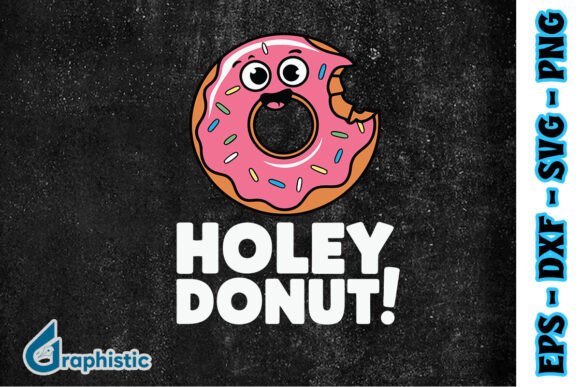
The mood of this design is lighthearted and approachable. It fits perfectly into the current trend of whimsical, text-based embroidery that appeals to a broad demographic. Visually, the balance between the graphical donut element and the accompanying text is crucial. In many poorly designed Graphics or Print Templates, the text overwhelms the image or vice versa. Here, the composition feels intentional. The rounded shapes of the donut contrast nicely with the typography, creating a focal point that draws the eye without being chaotic.
For those of us working in commercial embroidery, visual personality matters. This design does not scream for attention; instead, it invites a smile. It is the kind of subtle humor that works well on everyday items. Whether you are creating a personalized gift for a friend who loves baking or adding a quirky touch to your own custom apparel, the aesthetic is versatile. It avoids the cluttered look that often plagues complex puns, making it a strong candidate for clean, modern stitching.
Real-World Application: The Tote Bag Test
To truly evaluate the Holey Donut Funny Food Puns SVG, I imagined a specific real-life scenario: a custom embroidered tote bag for a local bakery’s loyalty program. Tote bags are a staple for small shop products and craft fair merchandise because they offer a large, flat canvas. However, canvas fabric can be tricky due to its weave texture.
In this context, the design performed admirably. The bold lines of the donut shape provided enough coverage to stand out against the textured background, while the text remained legible. For an Etsy seller or boutique owner, this means the design can elevate a simple cotton tote into a branded, high-value item. It is not just a decoration; it becomes part of the brand’s identity. The same logic applies to sweatshirt embroidery. On a fleece or cotton blend hoodie, the design sits comfortably on the chest or sleeve, offering a pop of personality without feeling overly juvenile.
Versatility Across Product Lines
Beyond tote bags and sweatshirts, this design shows promise in several other categories. Consider baby embroidery on a onesie or bib. The soft, rounded nature of the donut graphic is gentle and appealing for nursery decor or infant wear. However, scale is critical here. You must ensure the text remains readable when resized for smaller garments. Similarly, for holiday embroidery projects, such as kitchen towels or aprons, the food theme is naturally relevant. It adds a layer of charm to functional items, increasing their giftability.
For digital product sellers, the included PNG with a transparent background is a valuable asset. It allows for easy creation of printable mockup previews, which are essential for online listings. Being able to show customers exactly how the design looks on different colored fabrics before they purchase can significantly boost buyer engagement and trust.
Technical Considerations and Stitching Challenges
While the visual appeal is strong, we must address the technical realities of turning a vector SVG into a stitched reality. The Holey Donut Funny Food Puns SVG is provided in formats suitable for various cutting and embroidery machines, but the transition from screen to fabric requires careful planning.
Stitch density is a primary concern. If the original SVG features solid fills, these will need to be converted into appropriate fill stitch patterns in your embroidery software. Overly dense stitching on stretchy fabrics like t-shirts can cause puckering. Conversely, if the design relies heavily on satin stitch for outlines, you must ensure the columns are not too wide, as this can lead to snagging. I recommend using a running stitch for finer details or internal textures to keep the stitch count manageable and the fabric flexible.
Fabric choice also dictates success. On dark fabrics, you will need to carefully select thread colors that provide sufficient contrast. A light beige thread on a navy blue shirt might get lost if the stitch definition is poor. Always test your color palette on scrap fabric first. Additionally, curved surfaces like caps present a challenge. The flat layout of the donut might distort if not properly hooped with a sturdy stabilizer. For caps, consider breaking the design into smaller sections or using an applique technique if the file supports it, though this specific design appears best suited for direct embroidery.
Avoiding Common Pitfalls
- Small Hoop Sizes: If you are working with a 4x4 inch hoop, verify that the entire design fits without cropping essential parts of the text or the donut shape.
- Tiny Lettering: Check the smallest font elements. If the letters are too thin, they may not stitch out cleanly, especially on textured fabrics like terry cloth towels.
- Dense Corners: Look for sharp corners in the text or graphics. These areas often require tie-off stitches to prevent looping, which can add bulk.
- Washability: For items that will undergo frequent washing, such as baby clothes or kitchen linens, ensure the stitch density is secure but not so tight that it damages the fabric fibers over time.
Enhancing Brand Value and Professionalism
Using high-quality design assets like the Holey Donut Funny Food Puns SVG contributes directly to the perceived value of your handmade product. Customers can distinguish between a hastily applied clipart and a thoughtfully integrated embroidery design. When the stitching is crisp and the placement is precise, it builds customer trust. It signals that you care about the details, which encourages repeat business and positive reviews.
For commercial embroidery projects, consistency is key. If you are producing a line of products for a client, ensure that this design aligns with their broader branding. The playful tone should match their voice. If used correctly, this design can become a signature element of your craft business, helping you stand out in a crowded marketplace of generic goods.
Final Designer Notes
Before launching this design into your production workflow, take a moment to review the specific file details. While the product description mentions SVG, PNG, and DXF formats, always confirm the compatibility with your specific embroidery machine software. Some programs handle SVG imports differently than native embroidery file formats like PES or DST. If the package does not include pre-digitized embroidery files, you will need to convert the SVG yourself, paying close attention to path direction and stitch types.
Always check the licensing terms. If you plan to sell finished items featuring the Holey Donut Funny Food Puns SVG, ensure you have the right commercial use license. This protects your small shop product line from legal issues down the road. Finally, never skip the test stitch. Run the design on a similar fabric to your final product, inspect the back for excessive thread waste, and trim any jumps. These small steps ensure that your finished product is not just funny, but professionally crafted.