Cookie for Santa Carrots for the Reeinde Review
As a designer who has spent years turning digital files into tangible, stitched goods, I approach every new machine embroidery design with a mix of excitement and skepticism. The holiday season is a critical revenue period for any craft business or Etsy seller, but it is also the time when bad design choices become painfully obvious on a finished product. Today, I am evaluating the Cookie for Santa Carrots for the Reeinde bundle to see if it holds up under the scrutiny of real-world application. This isn't just about how the file looks on a screen; it is about how it translates to fabric, thread, and customer satisfaction.
First Impressions: Mood and Visual Personality
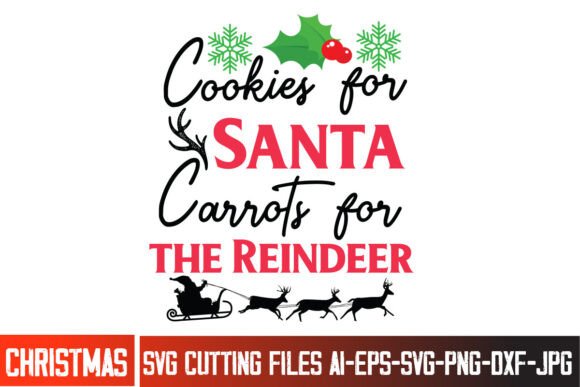
When I first opened the preview for Cookie for Santa Carrots for the Reeinde, the immediate vibe was playful and whimsical. The concept of combining a classic Christmas cookie with carrots for reindeer suggests a narrative that goes beyond standard Santa imagery. For a small shop owner looking to create unique holiday embroidery, this kind of storytelling element is gold. It feels less like a generic clip-art graphic and more like a character-driven illustration.
The layout appears balanced, which is crucial when converting an SVG to an embroidery file. In my experience, designs that are too top-heavy often look awkward on curved surfaces like caps or the chest of a sweatshirt. Here, the visual weight seems distributed well enough to sit comfortably on various items. However, the level of detail in the carrot textures and the cookie icing requires careful attention during digitization. If the stitch density is too high, those fine lines could blur into a solid blob on textured fabrics like fleece or heavy canvas.
Real-World Application: From File to Fabric
Let's imagine a specific scenario: You are preparing a line of custom embroidered tote bags for a local boutique. These bags will be sold as premium holiday gifts. You decide to use the Cookie for Santa Carrots for the Reeinde design on a sturdy cotton canvas. In this context, the design shines. The bold outlines of the cookie and carrots would likely hold up well against the weave of the canvas, creating a crisp, professional look.
Now, consider a different use case: a baby onesie. This is where the design needs to pass a rigorous test. Baby clothing demands softness and durability. If the embroidery file relies heavily on dense fill stitch areas, the back of the garment might feel stiff and scratchy against a baby's skin. For this application, you would need to ensure the digitizer has used minimal backing and perhaps reduced the stitch count in the fill areas while maintaining the definition of the outline. The running stitch details around the edges of the carrots must be precise; if they are too thin, they might break during washing, ruining the finished product.
For custom apparel like t-shirts, the placement matters immensely. A design of this size works best on the upper left chest or centered on the back of a sweatshirt. On a dark-colored garment, the contrast becomes your biggest ally. You would want to select bright reds, greens, and whites for the thread colors to make the Cookie and Carrots pop. Without sufficient contrast, the intricate details of the "Reeinde" text (assuming there is lettering involved) could get lost, diminishing the overall appeal.
Navigating Technical Challenges
While Cookie for Santa Carrots for the Reeinde offers great creative potential, there are specific situations where caution is required. First, avoid using this design on highly stretchy fabrics like jersey knit without a robust stabilizer. Stretching during stitching can distort the shape of the cookie, making it look lopsided. Second, be wary of small hoop sizes. If you attempt to fit the entire bundle into a 4x4 inch hoop, you risk overcrowding the stitches, leading to thread breaks and poor coverage.
Another consideration is the surface texture. If you are embroidering on a napped fabric like velvet or a thick wool blend, the finer details of the carrot tops might not stand out. In these cases, simplifying the design or increasing the stitch width slightly can help maintain visibility. Also, keep in mind that dark fabric requires a white underlay to prevent the background color from showing through the lighter threads. Skipping this step is a common mistake that makes even the best design assets look cheap and muddy.
Impact on Brand and Customer Perception
For an Etsy seller or a creative entrepreneur, the quality of your embroidery directly influences buyer trust. A clean, well-executed version of Cookie for Santa Carrots for the Reeinde signals professionalism. Customers buying a personalized gift expect precision. If the stitching is messy, the design looks pixelated, or the threads are fraying, it reflects poorly on your brand consistency.
This design has strong giftability because it taps into nostalgia and humor. It fits perfectly into categories like kitchen towels, aprons, or pillow covers—items that people display proudly during the holidays. When customers see a high-quality handmade product featuring such a charming motif, they are more likely to engage with your shop, leave positive reviews, and return for future orders. The visual appeal of the design adds value to the item, allowing you to price your small shop product higher than generic alternatives.
Practical Designer Notes for Success
Before committing to a large production run or selling digital versions of this project, follow these essential steps:
- Test on Scrap Fabric: Never skip this. Stitch the design on a piece of the actual fabric you plan to use to check for puckering, tension issues, or thread breaks.
- Check Thread Contrast: Ensure the thread colors chosen provide enough contrast against the base material, especially for light-colored designs on dark backgrounds.
- Review Stitch Density: Look closely at the digitized file. Areas that are too dense can cause fabric distortion, while sparse areas may show the background fabric through.
- Confirm Hoop Size: Verify that the design fits within your machine's hoop without cutting off important elements like the tips of the carrots or the icing details.
- Inspect Small Details: Zoom in on the preview to ensure tiny elements won't disappear once stitched. Sometimes, what looks clear on a monitor gets lost in thread thickness.
- Use Proper Stabilizer: Match the stabilizer to the fabric weight. Heavy fabrics need cut-away stabilizers, while lighter knits may require tear-away or wash-away options.
- Verify Licensing: Before selling commercial embroidery items or digital files, confirm the licensing terms. Ensure you have the right to sell finished products or modify the digital embroidery file for resale.
In conclusion, Cookie for Santa Carrots for the Reeinde is a versatile and charming addition to any holiday collection. With careful planning regarding fabric choice, stabilizer usage, and digitization quality, it can transform simple garments into sought-after holiday gifts. Whether you are creating a single embroidered patch for a friend or stocking a boutique with Christmas Ornaments and apparel, this design offers the personality needed to stand out in a crowded market. Just remember: the success of the project lies not just in the design itself, but in how thoughtfully you execute it.